

General
Press Releases
Community
| 01.29.2026
The week of January 26 is Identity Theft Awareness Week. This is the perfect time to educate yourself on how to protect against identity theft and fraud.
At Clear Mountain Bank, we always have your back!
That is why we have comprised some helpful Fraud Education Resources from our friends at the American Bankers Association, covering many of the more popular scams circulating, such as IRS imposters, phishing, spoofing, and charity scams just to name a few.
Check out some of the resources below:
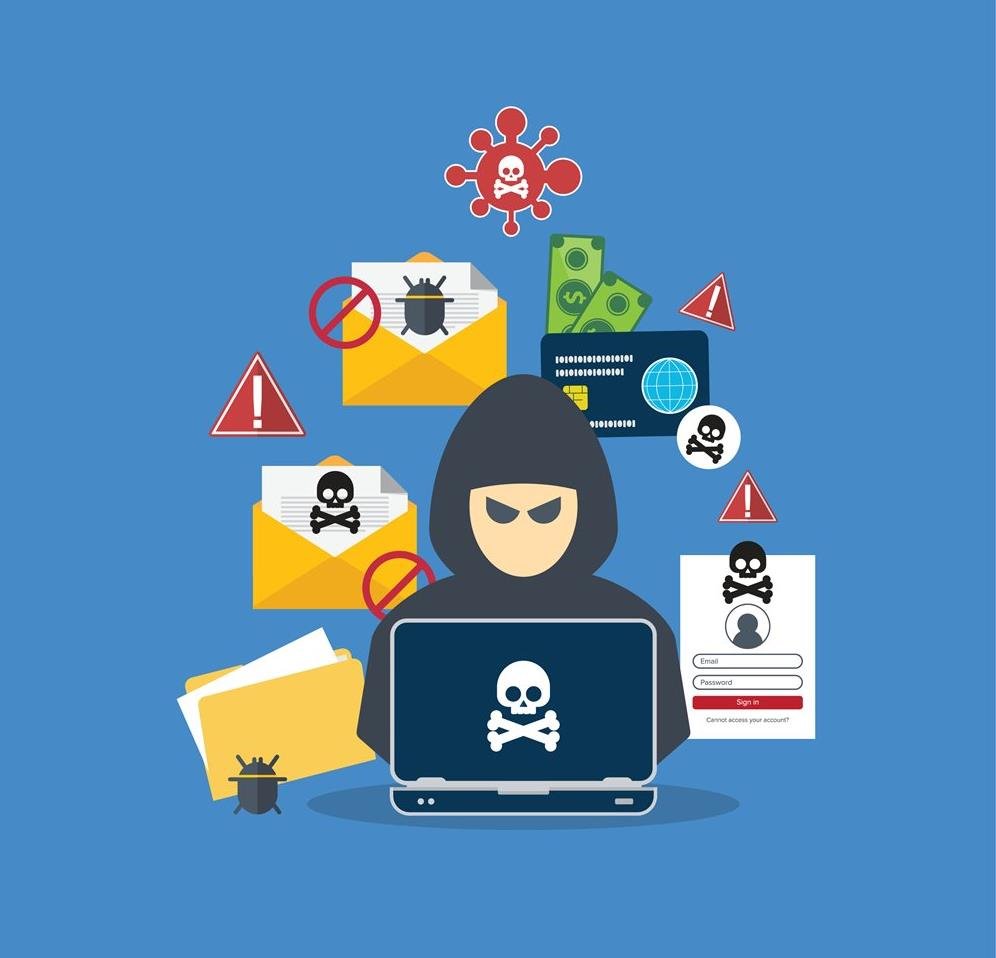
What are the Most Common Avenues for Scammers to Try?
- Fraudulent communications from "your bank." This may include the scammer asking for social security information or PIN numbers.
- Caller ID Spoofing: This occurs when a caller deliberately falsifies the information sent to your caller ID display. Scammers can make it look like a call is coming from a local number, or even a business or government agency you know and trust.
- Phishing emails. Phishing emails can look legitimate but always be cautious when opening emails from unfamiliar senders. See more on phishing emails below.
- Check Fraud/Theft. Although the use of checks has declined by 25%, reports of check fraud have nearly doubled since 2021.*
(*2024 Findings from the Diary of Consumer Payment Choices; Federal Reserve Financial Crimes Enforcement Network, Suspicious Activity Report Statistics)
What to Look Out For
You might be thinking...besides "my bank," what other businesses and organizations do scammers use to disguise themselves?
Some of the most common examples include:
- Pretending to be from Medicare
- Calling from a Charity / Non-Profit
- Pretending to be with the IRS
Although this may sound intimidating, Clear Mountain Bank has your back.
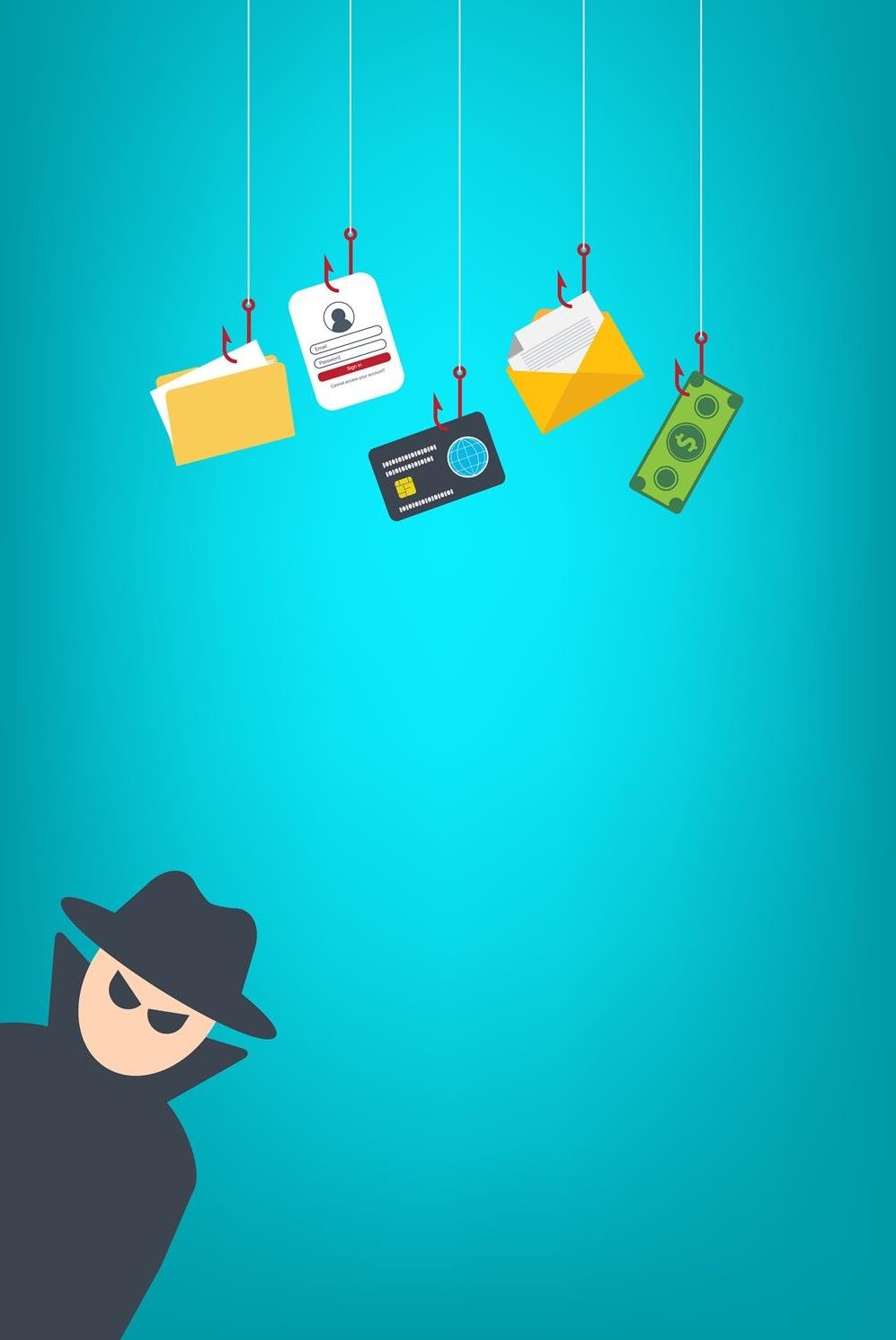
Phishing Emails Red Flags
According to the Banks Never Ask That website, the five most common red flags of phishing in emails, calls, and texts are:
- The sender asks you to open a link you weren't expecting
- They use urgent or fear-inducing language
- They send an attachment
- They request personal info like PINs and passwords
- They pressure you to log into or send money with payment apps
#BanksNeverAskThat
When communicating with your bank, you will never be asked to:
- Give your PIN number
- Click or open suspicious links or attachments
- Give your social security number
- Your online banking passwords


